
Choosing the right bitumen tank has a direct impact on uninterrupted plant operation, fuel consumption and asphalt quality. The short answer to how to choose a bitumen tank is this: capacity is calculated from the hourly bitumen consumption of the plant and the delivery frequency; then the heating system, insulation, tank type (horizontal or vertical), the need for an agitator and the pump and valve connections are assessed together.
In this guide we explain the seven basic steps of selecting a bitumen storage tank, for companies investing in an asphalt plant or adding a new tank to an existing one.
What Is a Bitumen Tank and What Does It Do in an Asphalt Plant?
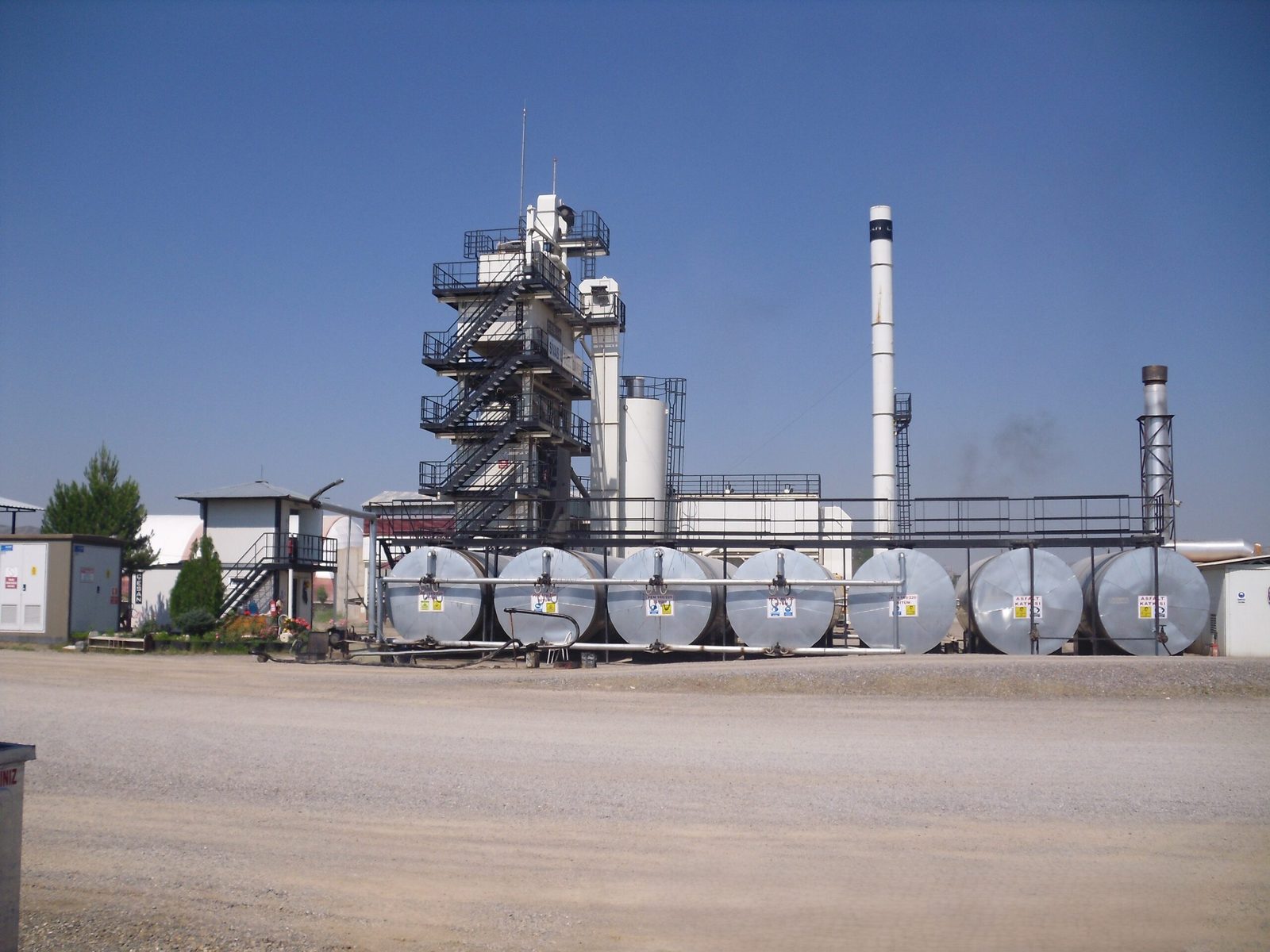
A bitumen tank is an insulated steel tank in which the bitumen used as a binder in asphalt production is stored, kept at a pumpable temperature and sent to the mixer of the plant. The bitumen leaving the tank is weighed in the asphalt plant weighing system, fed into the mixer unit and mixed with hot aggregate. For tank types and Alfamix products, see our bitumen tanks page.
1. Calculate the Right Capacity
Bitumen tank capacity is found by balancing the output of the plant with the bitumen supply. A simple calculation looks like this:
Daily bitumen consumption = Plant capacity (t/h) × Bitumen content × Daily operating hours
Example: If a 160 t/h plant produces a mix with 5% bitumen content and runs 10 hours a day:
- Hourly bitumen consumption: 160 × 0.05 = 8 t/h
- Daily bitumen consumption: 8 × 10 = 80 t/day
- Total tank capacity for a safe stock of 2–3 days: 160–240 t
Splitting the total capacity across several tanks instead of one large tank lets you store different bitumen grades separately (e.g. 50/70 and 70/100 penetration grade bitumen, or polymer modified bitumen), keep production going during maintenance and heat only as many tanks as you need. Distance to the refinery, tanker delivery times and the peak season also determine how many days of stock to keep.
2. Horizontal or Vertical?
| Criterion | Horizontal Bitumen Tank | Vertical Bitumen Tank |
|---|---|---|
| Footprint | Takes up more space | Takes up less space |
| Transport and installation | Transported in one piece, easy to install | Needs a stronger foundation and erection work |
| Capacity expansion | Expanded by adding new tanks side by side | High volume in a single tank |
| Best suited to | Mobile and frequently relocated plants, large sites | Stationary plants with limited space |
On mobile and short-term job sites, horizontal tanks stand out because they are portable; at long-life stationary plants, either type can be used depending on the site layout.
3. Choose the Right Heating System
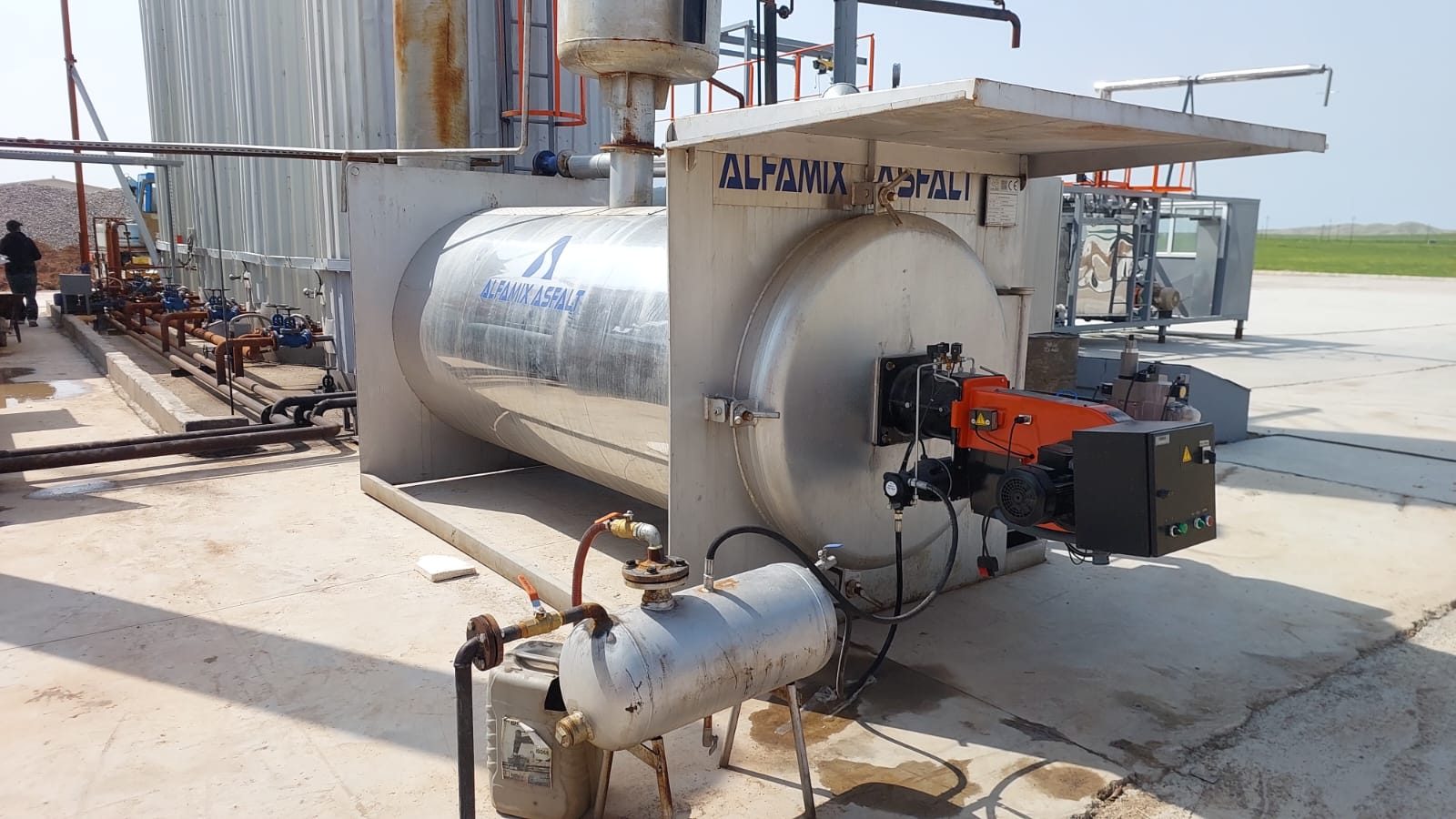
At room temperature bitumen is too viscous to pump, so it has to be heated continuously inside the tank. The most common and safest method in asphalt plants is heating with a thermal oil heater (hot oil heater): the thermal oil heated in the heater circulates through heating coils inside the tank and heats the bitumen indirectly and evenly. Compared with direct-fired systems, the risk of local overheating is lower.
- Heating surface: The coil area should be calculated according to the tank volume and the required heat-up time.
- Temperature control: Thermostats and thermometers prevent the bitumen from overheating and ageing (oxidising). The storage temperature should be set according to the bitumen grade and the supplier’s recommendation.
- Shared system: The same thermal oil circuit should be designed to heat the bitumen pipelines, pumps and valves as well.
4. Pay Attention to Insulation
An uninsulated or poorly insulated tank loses a large part of its heating energy to the air. In a quality bitumen tank, the shell is wrapped in an insulation material that withstands high temperatures, such as rock wool, and clad with galvanised or aluminium sheet. Good insulation saves fuel, shortens the first heat-up in the morning and reduces heat loss overnight.
5. Do You Need a Tank with an Agitator?
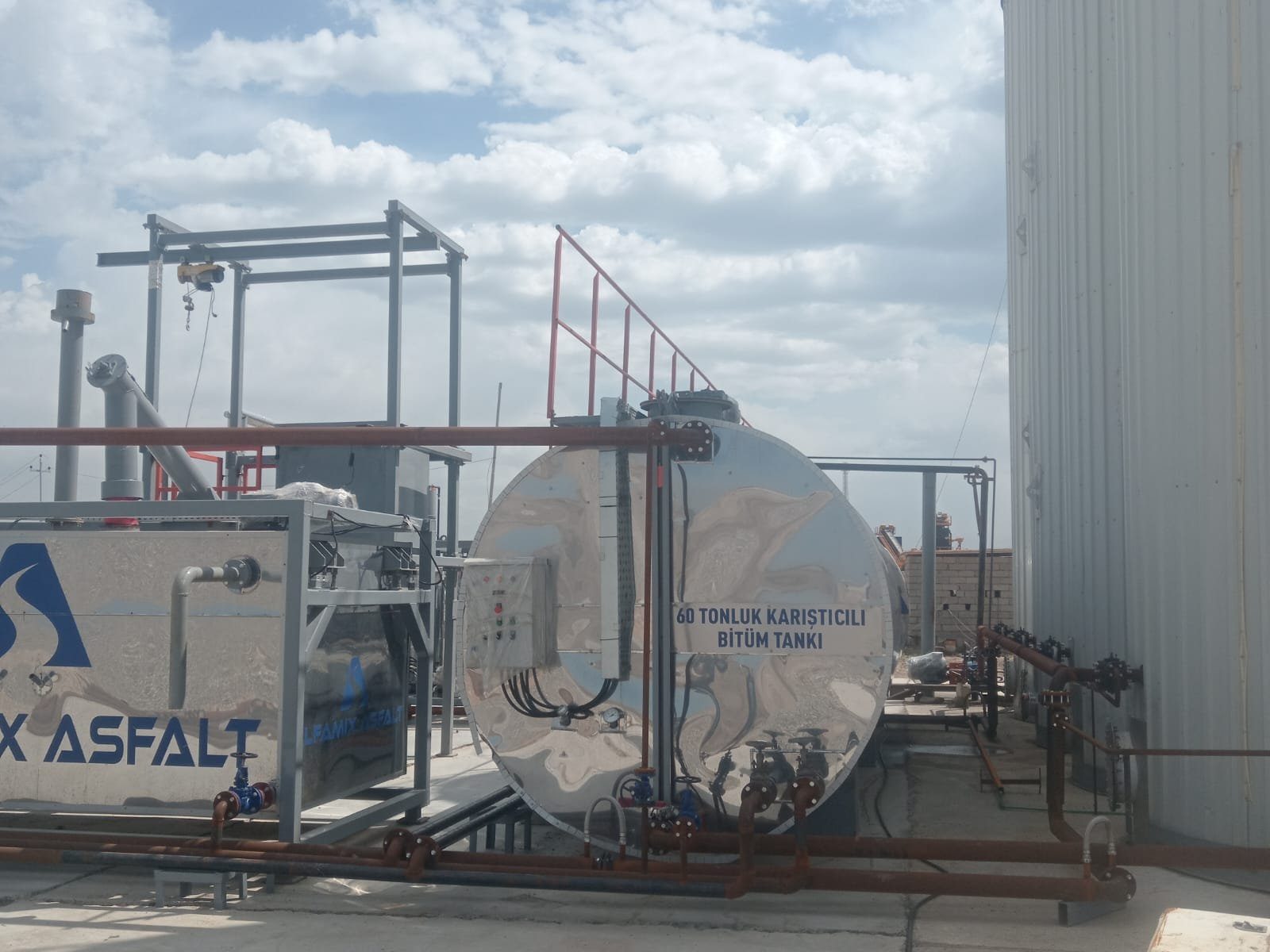
Standard paving grade bitumen does not need an agitator. However, if polymer modified bitumen (PMB) or bitumen emulsion is to be stored, a tank with an agitator should be used to prevent settling and phase separation. Alfamix manufactures these tanks together with the process units, including 60-ton bitumen tanks with agitators.
6. Plan the Pump, Valves and Pipeline Together
A tank performs only as well as the line it is connected to. For transfer from tank to plant, from tanker to tank and between tanks, the following should be sized together at the design stage:
- A jacketed bitumen pump matched to the capacity,
- A 3-way valve and an asphalt valve to direct the flow,
- Thermal-oil-jacketed or traced pipelines so that the bitumen does not solidify.
For all pump and valve options, take a look at our asphalt pump equipment page.

7. Do Not Skip Measurement, Control and Safety Equipment
- Level indicator: To monitor the amount of bitumen in the tank in real time and order tankers on time.
- Thermometer and thermostat: To keep the temperature under control.
- Vent and overflow line: To prevent pressure build-up and overflow during filling.
- Protection against water ingress: Water that gets into hot bitumen can cause sudden foaming and overflow, so hatches and connections must be watertight.
- Automation link: Temperature and level data can be sent to the plant’s automation system.
What Determines Bitumen Tank Prices?
Bitumen tank prices cannot be given as a single figure; they are calculated for each project according to the following factors:
- Tank volume (tons) and number of tanks
- Horizontal or vertical construction, stationary or chassis-mounted (portable) design
- Plate thickness, coil surface and insulation thickness
- Agitator, level and temperature measuring equipment
- Scope of the thermal oil heater, pump, valves and pipeline
- Transport, installation and commissioning services
If you want to increase the tank capacity of your existing plant, we also assess your current tanks as part of our revision and capacity increase service.
How to Choose a Bitumen Tank: FAQ
What size bitumen tank do I need for an asphalt plant?+
It depends on the hourly capacity of the plant, the bitumen content of the mix, the daily operating hours and how many days of stock you want to keep. For example, a 160 t/h plant producing a mix with 5% bitumen and running 10 hours a day consumes about 80 t of bitumen per day, so a total tank capacity of 160–240 t suits a 2–3 day stock.
What temperature should bitumen be stored at?+
The storage temperature varies with the bitumen grade: the bitumen must be fluid enough to pump but must not be overheated and aged. Follow the storage and pumping temperatures recommended by the bitumen supplier and set the tank thermostat accordingly.
How is a bitumen tank heated?+
The most common method in asphalt plants is indirect heating with a thermal oil heater. The heated thermal oil circulates through the coils inside the tank and heats the bitumen evenly, and the same system keeps the pipelines and pumps hot.
Which is better, a horizontal or a vertical bitumen tank?+
A horizontal tank is the better choice when portability and easy installation matter, while a vertical tank is more advantageous when site space is limited. The choice should be based on the site layout, the capacity and whether the plant is stationary or mobile.
How much does a bitumen tank cost?+
The price depends on tank volume, number of tanks, insulation, heating system, agitator and scope of installation. For an up-to-date price, fill in our quotation form or give us a call.
Bitumen Tank Solutions from Alfamix Asfalt
Alfamix Asfalt designs, manufactures and installs horizontal, vertical and agitated bitumen storage tanks as a single-source package together with the thermal oil heater, pumps, valves and pipelines. When you invest in a new batch type stationary asphalt plant or mobile asphalt plant, we design the tank system together with the plant, and we also install additional tanks at existing plants.
To work out the right bitumen tank capacity for your plant together, fill in the quotation form or give us a call. You can watch our plants at work on the Alfamix Asfalt YouTube channel.
Other Blog Posts
25 October 2026
What Is Wet Mix Macadam (PMT)? Production and Plant Guide
What is wet mix macadam? Wet mix macadam (WMM), called plentmiks temel (PMT) in Turkey and also known as plant-mixed granular base, is a granular road base material…
Read More →
3 September 2026
Polymer Modified Bitumen Production Plant
Polymer Modified Bitumen Plant Alfamix Asfalt manufactures high-performance Polymer Modified Bitumen Plant solutions designed for road construction, transportation…
Read More →